
diaphragmatic breathing + Pilates
Breathing is something we all do without thinking 12 – 20 times a minute. Our body is smart enough to continue this process continuously through sleep, stress, fear, happiness, physical exertion and when our mind is far from focused on our bodily functions. Often, however the type of breath performed is not the most effective for our bodies, and we find ourselves shallow breathing into the top part of the lungs. Diaphragmatic breathing in contrast involves breathing deeply, filling the entire lungs into the diaphragm.
If you have been fortunate to attend a Pilates class at Propel Body, you will be familiar with each session beginning with diaphragmatic breathing. This is our preferred way to begin a class for several reasons including: becoming aware of breathing patterns that support Pilates practice and core stability, allowing the nervous system to calm - focusing on the present moment and begin improving lymphatic movement.
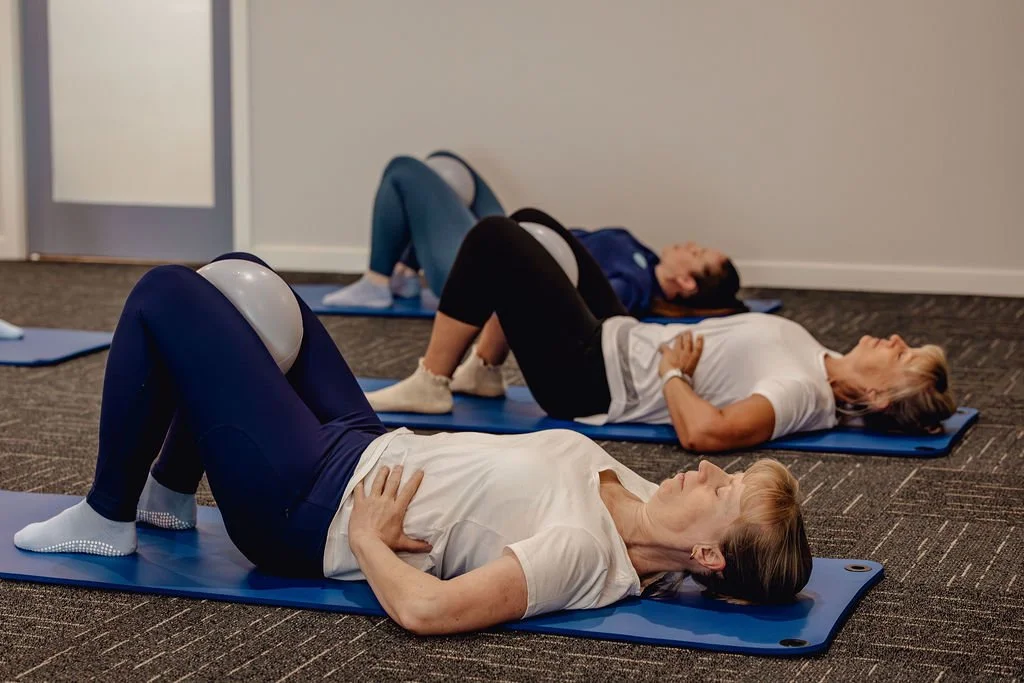
Beginning a Pilates class with diaphragmatic breathing
What is diaphragmatic breathing?
Conscious breathing
Diaphragmatic breathing involves the use of the diaphragm – the large flat muscle at the base of the lungs. This muscle is the primary muscle of inspiration, when we make a conscious effort to involve the diaphragm with deep breaths that fill the lungs contracting and flattening the diaphragm, pushing on the abdomen and slower breaths out involving the rising of the diaphragm, we can slow the breath rate down and have more effective oxygenation of the blood and increased breath volume.
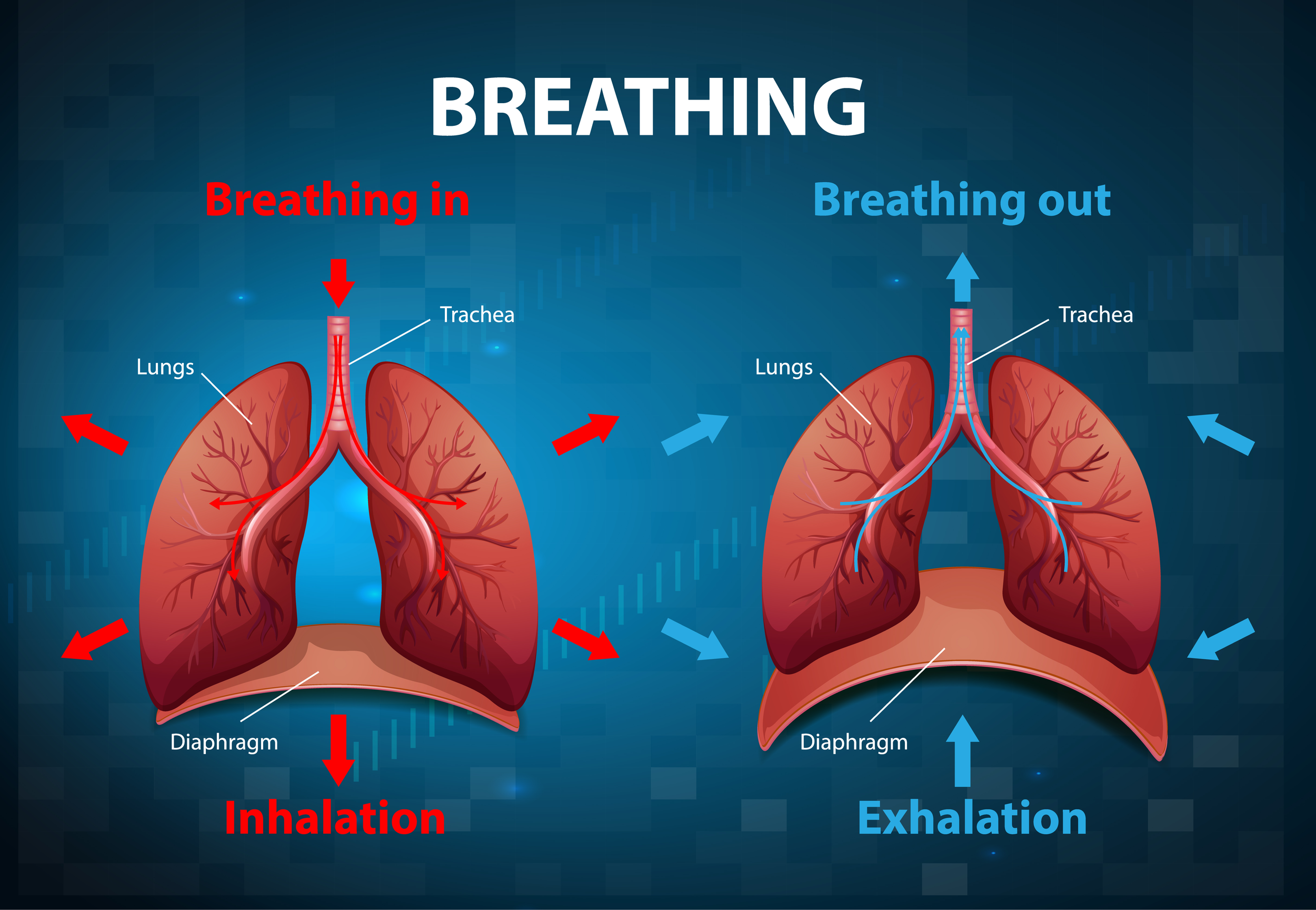
diagram of diaphragm action on inhalation and exhalation. Image courtesy of @brgfx on freepix
Automatic breathing
In contrast when we are not consciously focused on deep diaphragmatic breathing, we often resort to shallow breathing with a decreased breath volume, reliance on accessory breathing muscles, a faster breath rate and increased ‘dead space’ in the lungs.
Effects of diaphragmatic breathing on the body
Core stability, pelvic floor muscles and intra-abdominal pressure
The diaphragm and pelvic floor muscles work collaboratively to maintain intra-abdominal pressure and protect the organs in the abdomen. The pelvic floor muscles co-ordinate with the diaphragm like a piston. When the diaphragm contracts and flattens as we breath in the pelvic floor muscles relax to allow the space for the diaphragm to move into the abdomen. Conversely as we breath out the pelvic floor muscles contract as the diaphragm domes upward back into the space between the lungs.
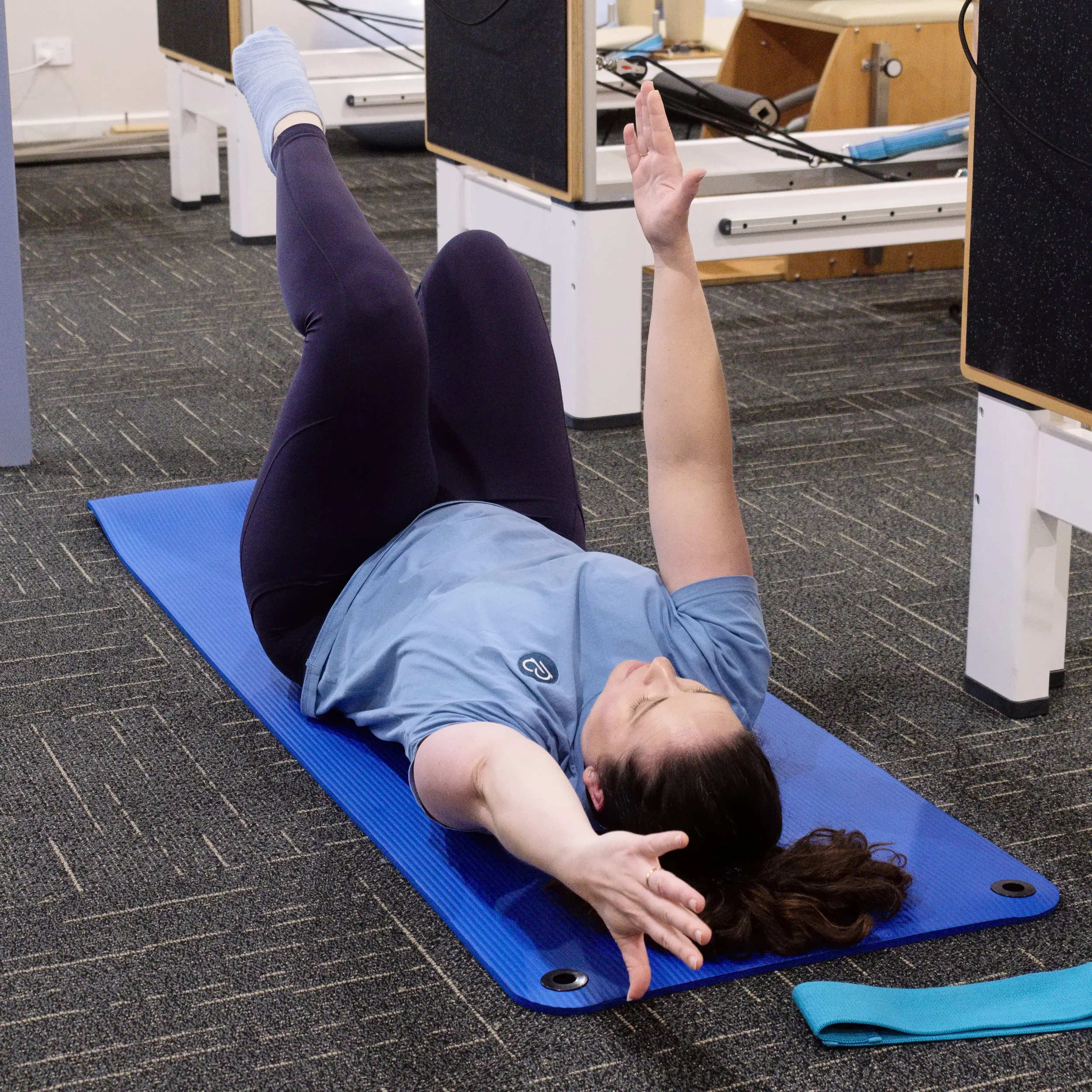
Pilates instructor demonstrating controlled intra-abdominal pressure to effectively move limbs away from core with co-ordinated breathing
Nervous system regulation and stress reduction
Diaphragmatic breathing stimulates the vagus nerve and activates the parasympathetic nervous system. Research shows it can have a positive influence on reducing stress, anxiety, depression, heart and immunological conditions. The decreased breath rate but increased breath volume allows the body’s rest and digest state to become active and downregulates the fight/flight state we often find ourselves in with shallow/automatic breathing.
Breathing and lymphatic health - what the research says
The lymphatic system has no pump
The venous system has the heart to pump the blood around the body and to the vital organs. Our lymphatic system has no pump and relies on movement and pressure changes to circulate lymph fluid. The lymph system contains 15L of fluid and is part of the immune system. It supports healthy fluid levels in the body and filters out waste products and damaged cells for excretion.
As discussed previously the diaphragm is a large flat muscle at the base of the ribs that contracts and relaxes with deep breathing. This movement has been found to have a positive influence on the movement of lymph fluid in the body, resulting in less stagnation and greater lymph circulation.
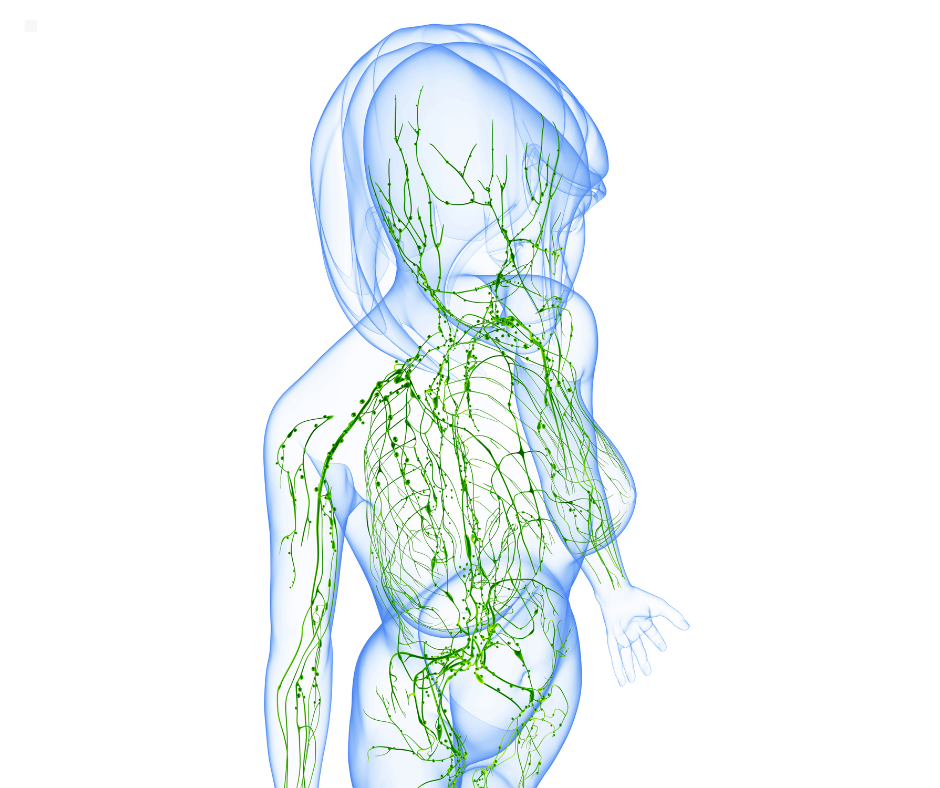
diagram of the complex lymphatic system
Clinical evidence for lymphatic benefits
A controlled study showed that diaphragmatic breathing coupled with limb co-ordination training resulted in decreased lower leg circumference and decreased symptoms in patients suffering lymphedema This is an emerging area of research but other lymphatic conditions including lipedema has shown improvement in symptoms with deep breathing and consistent gentle exercise – hello Pilates, as well as a low inflammatory diet and manual lymphatic drainage (MLD).
The role of diaphragmatic breathing in Pilates
In Pilates practice the ‘hard’ part of the exercise is coordinated with the breath out when the pelvic floor and abdominal muscles are contracting. This results in a more active core for control and stability when completing Pilates movements. Focus is on continuously breathing in and out as the body moves through the exercises, working with the body and the breath and maintaining stable intra-abdominal pressure throughout.
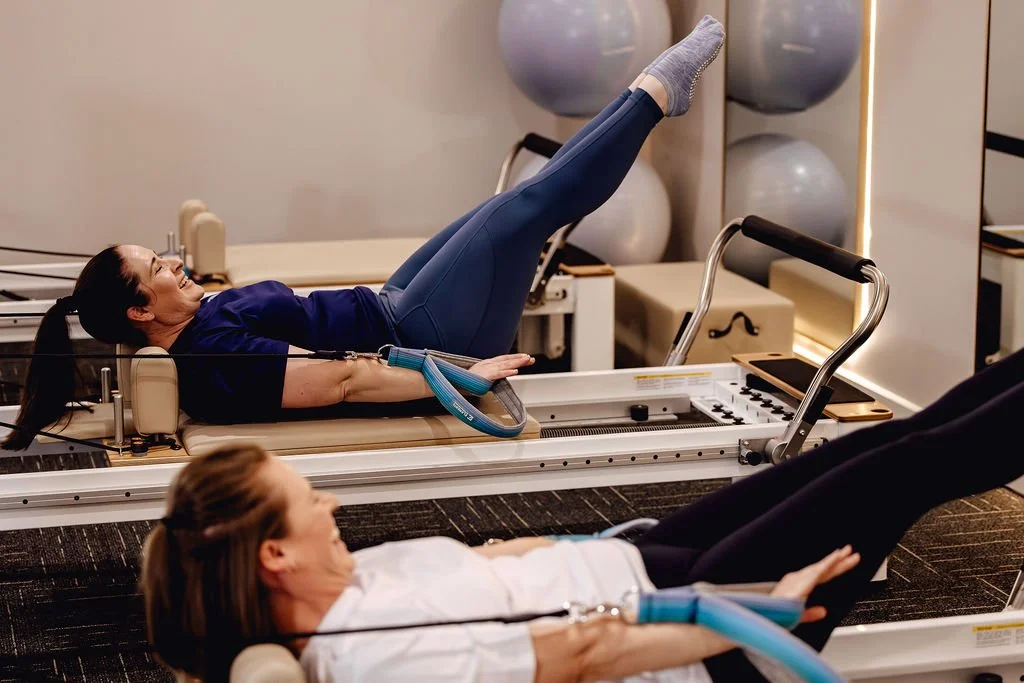
two women co-ordinating a breath out with reformer chest lift exercise
Visualisation of intra-abdominal pressure
If the breath is held during complicated or core focused movement, we increase the intra-abdominal pressure without allowing this pressure to dissipate. Imagine squeezing a tied balloon firmly increasing the pressure – if this squeeze increases and the pressure becomes too strong it will leave via the path of least resistance ie – by popping.

Person squeezing balloon - creating pressure
The body reacts similarly – if we put too much demand and increase the intra-abdominal pressure too significantly with a breath hold + load/demand, the pressure will leave the body via the path of least resistance. This can result in pelvic organ prolapse, disc bulge, hernias.
If you take anything away from this blog please let it be - breathe out with hard work – remember when you next pick up a heavy suitcase, the grocery shopping or even just getting out of the car.
Common mistakes to avoid
Relying on shallow breathing and allowing shoulders to rise to ears as you take a ‘deep breath’
Puffing belly up without expanding ribcage
Breath holding when exerting or creating intra-abdominal pressure
Breathing too fast or too shallow
Experience the benefits yourself
How to diaphragmatically breathe step by step
Lie on your back or sit tall with lengthened spine.
Wrap your hands around your rib cage – fingers around front of ribs, palms around the side of ribs and thumbs pressing into back of ribcage.
Inhale through your nose filling up the entire lungs and feeling ribcage expand deep and wide.
Breathe out slowly through your mouth or nose.
Practice for 2-5 minutes twice daily and whenever you feel overwhelmed or in need of some calm in the chaos.
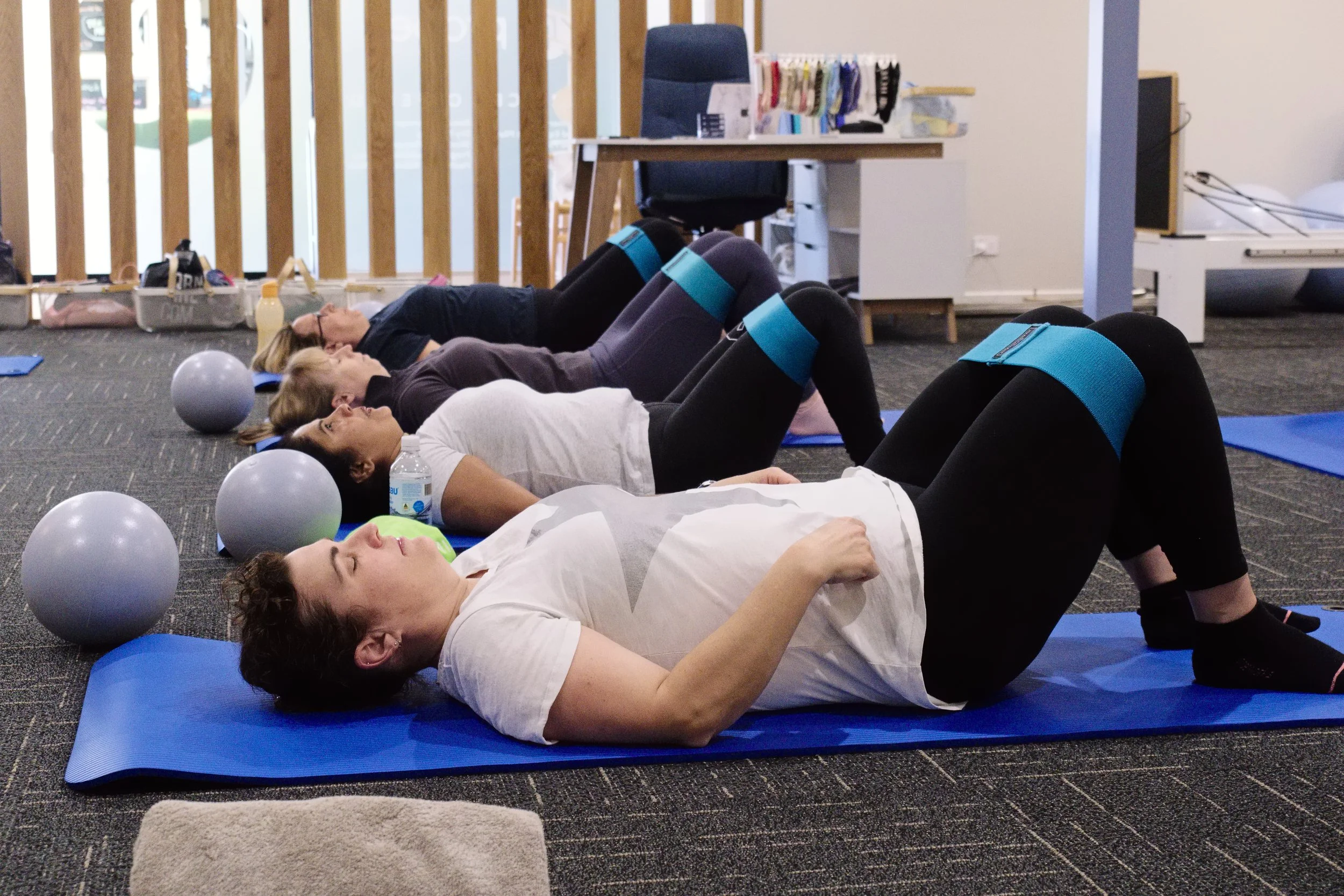
How to add in pelvic floor activation
females
Next time you breathe out imagine a zipper closing from your tailbone to your belly button. Make sure you keep your bottom relaxed.
As you breathe in relax and let the zipper undo.
Males
Next time you breathe out imagine pulling your testicles towards your belly button – keeping bottom relaxed.
As you breathe in relax pelvic floor muscles.
Who benefits most from diaphragmatic breathing?
People with chronic muscle tension, stress and/or anxiety.
Individuals with lymphatic conditions ie: Lymphoedema or Lipedema (as part of comprehensive care).
Pregnant and Postnatal women.
Overwhelmed individuals carrying the mental load of the family.
Anyone who is stuck in a shallow breathing pattern, inefficient movement or chronic pain.
Final thoughts
Whilst breathing is a process that we rarely think about, and our body takes care of it – deep diaphragmatic breathing is a foundational skill. Once mastered you will be able to connect to your core deeply and co-ordinate intra-abdominal pressure management for stronger, more controlled movements. Diaphragmatic breathing supports physical stability, nervous system balance, and even healthy lymphatic flow. If you’d like to experience how we combine Pilates and diaphragmatic breathing at Propel Body, head to our new clients page for more information on how to get started.
We offer a range of group Pilates classes and semi-private or private sessions for those who require a little extra attention or would prefer a more personalised program incorporating breathing co-ordination and control being mindful of individual goals please contact admin@propelbody.com.au with your contact details and we will be in touch to find the best solution for your needs. If you wish to book a class please head to our booking page.

Please note that this information assumes there is no pelvic floor dysfunction present and the ability to breathe in a normal/non-paradoxical pattern (where the chest moves in when breathing in and expands when breathing out)
disclaimer
The information provided in this article is for general education and informational purposes only and is not intended as medical advice. While Pilates and breathing practices can offer many benefits, individual needs and health conditions vary. Always consult with a qualified medical practitioner, physiotherapist, or other appropriate healthcare professional before making changes to your movement, exercise, or breathing practices, particularly if you have an existing medical condition, injury, are pregnant, or are experiencing ongoing pain or symptoms.
references
M. Russo, D. Sanarelli & D. O’Rourke. The physiological effects of slow breathing in the healthy human Breathe 2017 13(4): 298-309
Park H, Han D. The effect of the correlation between the contraction of the pelvic floor muscles and diaphragmatic motion during breathing. J Phys Ther Sci. 2015 Jul;27(7):2113-5
Hopper, Susan I.; Murray, Sherrie L.; Ferrara, Lucille R.; Singleton, Joanne K.. Effectiveness of diaphragmatic breathing for reducing physiological and psychological stress in adults: a quantitative systematic review. JBI Database of Systematic Reviews and Implementation Reports 17(9):p 1855-1876, September 2019
https://lymphedemalifeline.org/articles/diaphragmatic-breathing-for-lymphedema-and-how-to-do-it/?
W. Jingxin et al. The rehabilitation efficacy of diaphragmatic breathing combined with limb coordination training for lower limb lymphedema following gynecologic cancer surgery. Frontiers in Bioengerinnering and Biotechnology. 12: 2024
Elis Yilmaz Balban, Eric Neri, Manuela M. Kogon, Lara Weed, Bita Nouriani, Booil Jo, Gary Holl, Jamie M. Zeitzer, David Spiegel, Andrew D. Huberman,Brief structured respiration practices enhance mood and reduce physiological arousal. Cell Reports Medicine. Volume 4 (1) 2023.
Myerholtz L. Take a Deep Breath. Fam Med. 2023 Apr;55(4):284-285